A woman dies in Palermo. Thofania has poisoned her husband, and others, but her name gathers flies. It is her goddaughter’s that drips cold, colorless, into folklore.
Giulia sells cosmetics. Her bestseller gets rid of unwanted blemishes. It is Aqua Tofana, a tincture of tin and arsenic. It kills in four doses. The doctor dismisses the onset and the pardoner laments the wasting (and charges a modest fee for heaven). Dose Four goes after the lawyer files the will and the wife inherits all. Her bruises pair with mourning black until they fade without renewing.
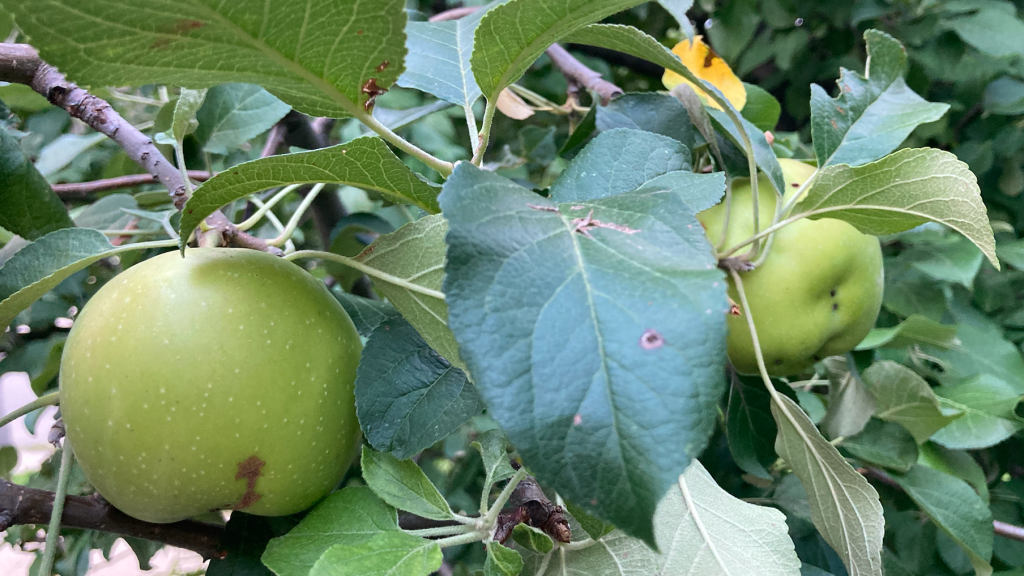
Thofania will not feel the axe break her skin, break her neck, drop her head like an apple into a basket. She hands her rosary down to Giulia, one among the many handsomely decked off their widow’s earnings. No one throws cabbage. Some look to the woman over the block and think justice is served. Some look to the woman under the scaffold and think it is continued.
Giulia could avenge Thofania, poison the inquisitor’s broth, but she won’t indulge the vendetta and risk exposure. There are wives yet to enrich.
Twenty-six years later she too bends and drops.
Her daughter Gironima watches, will indulge, will die too.
 K. P. F. Holmes