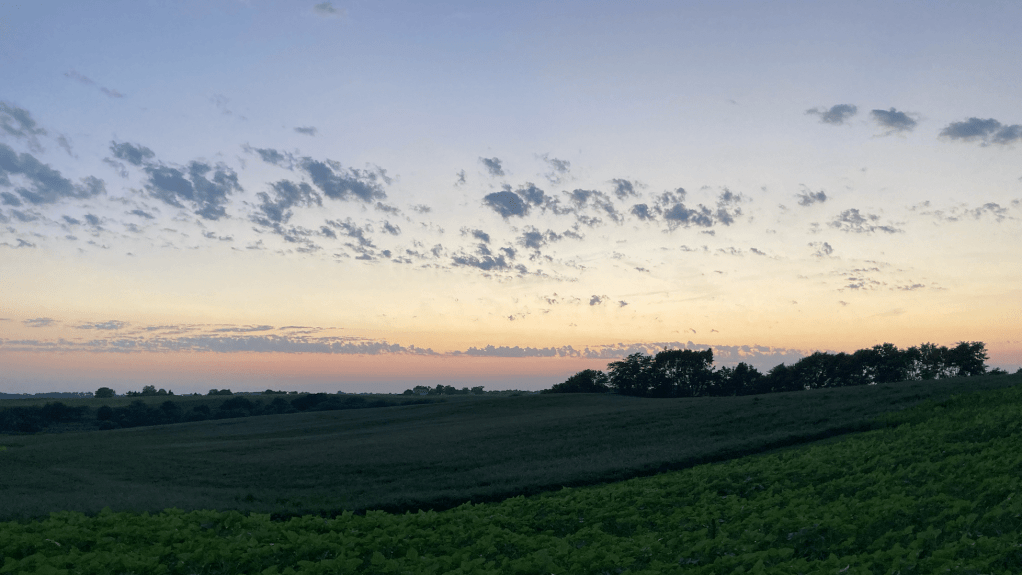
an adaptation of Hecuba & Hecate
The dog made a racket in the brush. She was not used to hunting. It annoyed the other predators, who found her stomping about their hunting grounds a sure sign of her alien origins. She did not walk as one used to four legs. Her strides were a conscious orchestration. She spent too long sniffing, as each scent surprised and delighted her, and she did not shy from hunters. She was not the first human to turn into an animal.
She avoided other predators, came to terms with her rank among them, and managed a living off the bad fauna. Bad fauna were injured, old, or newly born. Poor luck and the neglect of their kin made them easy pickings for the newfangled dog, who in her past life might have bundled them in her cloak and nursed them with warm milk on her fingertips. Kindness nourished the soul but it did not fill the belly. There was no dishonor in filling the belly. The dog learned to accept it, hanging mercy and altruism, and fell under hunger’s rule. Under hunger’s rule, a meal and a place to eat it made one a king.
She sniffed out a sickly tree that had fallen in the winter and dug a tunnel between the roots to access the hollowed trunk. Among the termites and tough mushrooms she curled into sleep and dreamed of things that were losing their shape and import, but not yet their luster. She saw flashes: eyes, jewels, goblets, blades. They looked like sun-spittle, darting fish, fireflies.
She was stretching in the sun when the witch caught her by the scruff. The witch chattered in a language the dog had forgotten. The dog whined and snapped and frothed in protest. She did not care to relearn her native tongue. Her tongue was now a muscle for lolling and slurps. But the witch paid no mind and tossed the dog into her goatskin sack. It was crowded.
The recent captives squirmed on top, nipping each other from fear or for room. The veterans sulked at the bottom. They formed a compression of fur and scales with a common pulse that reverberated up the sides of the sack and compelled the dog to slip down and surrender. But the flight instinct could not be so easily overcome, not within the hour, when snakes bunched and burrowed in gummy loops throughout the sack. She hated snakes. The coldblooded carnivores and their deft, deadly wiggle. Their hooked teeth and poison. They behaved in the witch’s sack, contrary to the dog’s prejudice, and bothered her only to nuzzle for warmth.
That the dog could tell, there were snakes, polecats, and other dogs in the sack. They forgot their natural squabble in the soft, shapeless confines, and when the witch let them out to relieve themselves and play in the moonlight their fawning of her kept them too busy to go wild. They cozied up to her three forms: the crone with the stories, the mother with the treats, and the maiden with the petting hands. The maiden was best liked because she carried the sack. The crone was too feeble and the mother too righteous. The witch(es) could have devised a less strenuous method of transport, but the maiden enjoyed the exercise and closeness to the animals. She had manly arms and a neck that veined when she laughed.
The witch(es) held rites in the silverspun woods, and when the moon peaked over the priggish cypresses, she opened the sack and let out the captives. The logical few would shoot into the woods and hide better, hide to death, in a solitary nook somewhere. Most stayed to watch the witch’s dance. She splayed and converged by the mood of her chant, three heads on one body or one body with six arms. Her mutations inspired the coupling snakes and moved the turned animals. They volunteered their voices, warped as they’d grown, with howling and yowling. It was then that the captives became familiars.
The summons drew other dancers into the cypress grove. Women in pelts and fatty paint circled the witch. They moved with stiffer hips and less practiced abandon, and despite their animal trappings they were not all the way turned. They danced on two legs, some of them sandalled to keep their feet soft from burs and needles. They were noblewomen, by their carriage and hairshine, and while they snuck from their beds to enjoy the wilderness they did not give themselves to total transformation as the dog and her sack-kin had. The dog might have thought herself degraded, ramparts to rubble, but the need of the noblewomen assured her of an inner strength she must have had when on that terrible day she charged into the sea and returned on all fours.
The moon passed over, and the dance sombered. The familiars returned two by two to the sack. A youthful few stayed to be petted by the noblewomen, the swift-footed maidens who could afford to tarry, and to listen to the musings of the master.
How happy are the trappings of civility?
Trappings, noun: the signs of something.
Trappings, lesser-known noun: a harness.
If civility is but tokens and tackle, what do we make of the muscle and bone beneath? We dress and deny the human form as if it were not the most suitable outfit for humanity. Civility is the conceit of advancement, of comfort.
But how comfortable is a life that drives one to the woods?
The dog listened to the breathing of the noblewomen. Many hitches and hikes, despite their stillness. They soon returned to the homes of their husbands or fathers, keen for reassurance, and whether they got it or not they returned at the next full moon to hear the witch. The witch spoke when they came but addressed the familiars.
Freedom, she said, means letting go of a life that does not serve you.
 K. P. F. Holmes